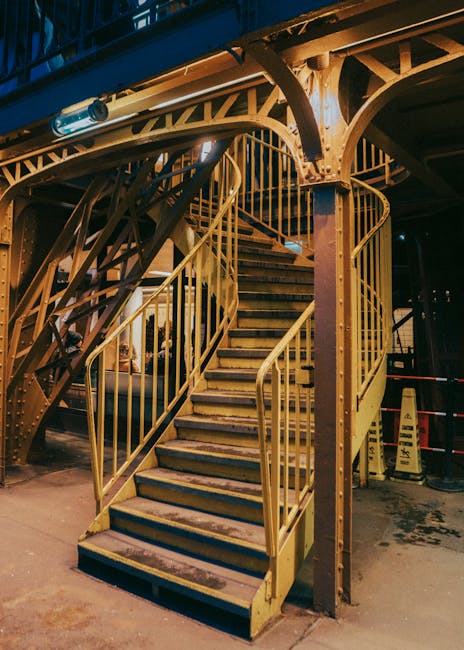
Bulky-item moves in Barking: stairways, permits and costs
Moving a sofa, wardrobe, piano or large fridge through a Barking stairwell sounds simple right up until you stand at the bottom of a narrow landing and realise the turn is tighter than it looked online. That is usually the point where plans change. Bulky-item moves in Barking: stairways, permits and costs is really about three things: access, permission, and making sure the job is priced and planned properly before anyone starts lifting. Get those right and the move feels orderly. Get them wrong and you can end up with delays, extra labour, or a piece of furniture that simply will not fit.
This guide walks through what actually matters on the ground in Barking, from stairways in flats and maisonettes to parking constraints, property management rules, and the real cost factors that shape a quote. If you are comparing options for a single awkward item or a whole room's worth of heavy furniture, this is the practical version, not the fluffy version.
Table of Contents
- Why Bulky-item moves in Barking: stairways, permits and costs Matters
- How Bulky-item moves in Barking: stairways, permits and costs Works
- Key Benefits and Practical Advantages
- Who This Is For and When It Makes Sense
- Step-by-Step Guidance
- Expert Tips for Better Results
- Common Mistakes to Avoid
- Tools, Resources and Recommendations
- Law, Compliance, Standards, or Best Practice
- Options, Methods, or Comparison Table
- Case Study or Real-World Example
- Practical Checklist
- Conclusion
- Frequently Asked Questions
Why Bulky-item moves in Barking: stairways, permits and costs Matters
Barking has a mix of housing types, and that variety is exactly why bulky-item moving needs a bit of thought. Some homes have generous front access and easy loading. Others involve tight communal staircases, shared entrances, limited waiting space, or parking that disappears quickly on a weekday morning. In a top-floor flat, a simple wardrobe move can become a whole logistical puzzle.
Stairways matter because they determine whether an item can be carried safely by hand, needs dismantling, or may require two or more movers with proper lifting technique. Permits matter because parking, loading bays, and estate rules can affect where the vehicle can stop and how long it can remain there. Costs matter because all of those variables influence the time, labour, and vehicle setup needed to complete the job without drama.
To be fair, most people do not think about any of this until the item is already blocking the hallway. That is why planning early helps. If you are moving from a flat, you may also find it useful to read about flat removals in Barking and the broader removal services available locally, because bulky items are often just one part of a larger move.
Expert summary: The real cost of a bulky-item move is rarely just the van. It is the access, the labour, the parking, the timing, and the risk of damage if the route is not properly checked first.
How Bulky-item moves in Barking: stairways, permits and costs Works
A bulky-item move usually starts with a route check. That means looking at the item itself, the building access, and the parking situation at both ends. A large sofa may fit through a front door but fail at the landing turn. A fridge may be light enough to carry but too tall for a narrow stairwell with a low ceiling. A piano is a different conversation altogether, and that is why specialist handling is a thing, not a luxury.
From there, the mover works out whether the item can be moved intact, needs stripping down, or should be taken down via an easier route. If parking is awkward, a permit or a pre-arranged loading plan may be needed. In some buildings, especially managed blocks, lift use, protective coverings, and move-in time slots can all be part of the process. None of that is unusual. It is just the sort of detail that decides whether the day feels calm or chaotic.
Pricing usually follows the same logic. The quote may reflect:
- the number and weight of items
- the floor level and stair access
- distance from the van to the door
- parking difficulty or permit needs
- disassembly and reassembly time
- whether extra movers are needed
- same-day timing or short notice
If you want a broader view of how moving costs are usually put together, the pricing and quotes page is a sensible place to start. For bigger household moves, the wider house removals in Barking service gives useful context too.
Key Benefits and Practical Advantages
The main benefit of planning bulky-item moves properly is simple: less risk. Big items are where walls get scuffed, knuckles get trapped, and floors get damaged if someone is rushing. When the access route is clear and the parking is sorted, the whole operation becomes steadier and safer.
There are other advantages too:
- Cleaner timing: You are less likely to miss a building slot or block a stairwell for longer than necessary.
- Better protection: Items can be wrapped, padded, or dismantled before they become a problem.
- More accurate pricing: When the route is known, the quote is usually more realistic.
- Less strain: A bulky move should not rely on one person doing heroics with a trolley and a prayer.
- Lower stress: You know what is happening, who is doing it, and how long it should take.
There is also a quiet benefit people often overlook: better decision-making. Once you know the constraints, you can choose whether to move the item whole, dismantle it, store it briefly, or replace it instead. That sounds obvious, but in the rush of a move, obvious things often vanish.
For heavy items specifically, the advice in our guide to heavy lifting without a partner and the kinetic lifting article can help you understand why technique matters as much as muscle.
Who This Is For and When It Makes Sense
This kind of move is for anyone dealing with an item that is too awkward, too valuable, or too physically demanding to treat like a normal box. That includes people moving sofas, beds, wardrobes, freezers, gym equipment, washing machines, and upright pianos. It also includes tenants clearing a flat, landlords replacing damaged furniture, and small businesses shifting stock or office pieces.
It makes particular sense if you are in a flat, a maisonette, a converted house, or a building with shared access. Barking has plenty of properties where stairway width, shared hallways, or entrance rules matter more than most people expect. And if you live in a newer development, you may also have to work around concierge arrangements, lift bookings, or loading restrictions. Simple job? Sometimes. Usually not quite.
It is also relevant if you are combining a bulky item with other moving tasks, like storing a freezer temporarily, protecting a mattress, or arranging a larger local move. That is where a joined-up plan helps, especially if you are already using services such as furniture removals in Barking or looking at man with a van support in Barking.
Step-by-Step Guidance
Here is the most practical way to handle a bulky-item move without turning it into a last-minute scramble.
- Measure the item properly. Height, width, depth, and any awkward protrusions matter. Handles, feet, doors, and fixed shelves can all change the route.
- Measure the access route. Check doorways, stair turns, bannisters, communal corridors, and any ceiling pinch points. A tape measure saves arguments.
- Check parking at both ends. Look at the nearest realistic stopping point, not just the nearest possible one. If you cannot stop close enough, the job gets harder fast.
- Ask about building rules. Some blocks require advance notice. Others need lift protection or have restricted move-in windows.
- Decide whether the item should be dismantled. Wardrobes, beds, and some tables are far easier to move in sections. That is not defeat; that is common sense.
- Protect the item and the route. Use blankets, straps, corner protection, and floor coverings where appropriate.
- Agree the labour needed. One mover may be enough for a light recliner. A heavy piano is another matter entirely.
- Confirm costs before moving day. Ask what is included, what might add time, and whether waiting or parking charges could apply.
- Prepare the destination. Clear hallways, hold doors open if safe to do so, and make sure the arrival route is not cluttered.
A useful extra step, especially if you are moving more than one room's worth of belongings, is decluttering first. The premove decluttering checklist is a practical read if you want to avoid paying to move things you no longer need.
Expert Tips for Better Results
The best bulky-item moves are often won before the van arrives. That might sound a bit dramatic, but it is true. The most useful tip is to think in terms of route, not just item. If the route is awkward, no amount of optimism will help.
Here are the tips that tend to make the biggest difference:
- Take photos of awkward access points. A picture of the stair turn or hallway is worth a long explanation.
- Remove what you can before the move starts. Shelves, drawers, doors, loose legs, and cables should be dealt with early.
- Keep the path dry and clear. Wet shoes, stray boxes, and loose mats are easy to overlook, then someone slips. Not ideal.
- Protect corners first. Stair corners and door frames are usually where damage happens.
- Use the right equipment for the item. Trolleys, straps, sliders, and blankets are basic tools for a reason.
- Plan for the return journey too. If you are delivering a replacement item, check that it will also fit the same route.
One small but very real point: if an item feels borderline, do not wait until the mover is standing in the hallway to discover it. That is the moment everyone starts staring at the staircase like it might suddenly grow wider. It never does.
If the item is particularly delicate, like a bed frame, mattress, or upright instrument, the relevant specialist content can help. For instance, protecting your bed and mattress during a move and piano moving expertise are both worth a look.
Common Mistakes to Avoid
Most bulky-item problems come from small oversights, not big disasters. The classic mistake is assuming that "it probably fits" is good enough. Sometimes it is. Often it is not.
Watch out for these:
- Not checking the route in person. Measuring from memory is how people end up with surprises.
- Forgetting communal rules. Estate managers, landlords, and building teams may need notice well before move day.
- Underestimating parking trouble. A good van position can save a huge amount of time and lifting.
- Trying to carry too much by hand. That is where injuries and damage start.
- Skipping protection. Even a short carry can mark paintwork or dent a stair edge.
- Leaving disassembly too late. If a wardrobe has to come apart, do it before everyone is tired.
- Ignoring disposal or storage decisions. If the item is not going straight into the new place, sort that out early.
A good rule of thumb: if you would not want the item carried by two exhausted people after dark in a tight stairwell, rethink the plan. That sounds blunt, but it saves trouble.
Tools, Resources and Recommendations
You do not need a warehouse full of kit to move a bulky item well, but you do need the basics. The right tools reduce both effort and risk.
| Tool or resource | What it helps with | When it is most useful |
|---|---|---|
| Furniture blankets | Protecting surfaces, edges, and finishes | Long carries, tight stairs, fragile items |
| Straps and lifting aids | Better grip and load sharing | Large wardrobes, white goods, awkward shapes |
| Moving trolley or sack truck | Safer transport across level ground | Ground-floor pickups and short runs to the van |
| Floor and stair protection | Reducing marks and scratches | Communal stairs, polished flooring, landlord properties |
| Pre-move packing supplies | Preparing parts, cables, fittings, and loose items | Disassembly-heavy moves |
For preparation around a bigger move, packing and boxes in Barking is useful if you need supplies or want to organise smaller items before the bulky ones come out. If your move needs temporary holding space, storage in Barking can also take pressure off the schedule.
And if the move is time-sensitive, you may need a quick turnaround. In that case, same-day removals in Barking can be worth discussing, though short-notice work still depends on access and availability.
Law, Compliance, Standards, or Best Practice
Bulky-item moving is not usually about one single law or permit rule. It is more about practical compliance with building rules, parking restrictions, and safe working practices. In the UK, movers and customers should think carefully about manual handling, safe access, and damage prevention. That means not overloading a person, not forcing an item through a space it clearly does not fit, and not blocking emergency access or shared corridors.
Where parking or loading is involved, local restrictions can apply, and those are best checked with the relevant authority or property manager before moving day. The exact process can vary by street, estate, and building type, so it is sensible to treat permits and access permissions as a planning task rather than an afterthought.
There is also a broader best-practice expectation around care and transparency. A good moving team should explain what is included, flag likely access problems, and be clear about any extra labour or time that may be needed. If you want to see the kind of service commitments and operational policies a reputable local provider should be able to discuss, pages like insurance and safety, health and safety policy, and terms and conditions are useful reference points.
In plain English: if the move involves heavy lifting, narrow stairways, shared spaces, or valuable furniture, the plan should be safe first and efficient second. Ideally both. Always both.
Options, Methods, or Comparison Table
There is more than one way to move a bulky item. The right choice depends on the item, the building, and your tolerance for hassle. Here is a simple comparison.
| Method | Best for | Pros | Watch-outs |
|---|---|---|---|
| Move it as one piece | Items that are large but manageable | Fast, fewer parts to track | Can fail at stair turns or door frames |
| Dismantle and move in sections | Wardrobes, beds, some tables | Easier access, less collision risk | Needs careful labelling and reassembly time |
| Use specialist handling | Pianos, fragile or high-value items | Better protection, proper equipment | Usually costs more |
| Store briefly before delivery | Moves with timing gaps or property delays | Flexible, reduces pressure on move day | Adds another step and cost |
For many Barking moves, a mixed approach works best. For example, a bed frame might be dismantled, a mattress wrapped, and a heavy chest of drawers moved intact if the route allows it. Not everything has to be treated the same way. That is often where the savings are.
Case Study or Real-World Example
Imagine a top-floor flat in Barking with a narrow communal stairwell, a large sofa, and a fridge freezer going out while a replacement wardrobe is coming in. Nothing outrageous, just a typical moving day with enough friction to matter.
The first check is whether the sofa can turn the landing corner without scraping the wall. It cannot, at least not safely, so the mover removes the feet and rotates the item vertically with padding at the contact points. The fridge freezer needs a clear route and a short carry to the van, so parking is arranged as close as possible. The wardrobe is dismantled in advance, labelled, and loaded in flat sections. The building manager is informed beforehand, so lift use and timing are not a surprise. Simple, calm, done.
What made the difference was not strength. It was preparation. The quote was more accurate because the access was described properly. The job took less time because the route was clear. There was no last-minute guesswork around whether the stairwell could handle the load. That is the whole point, really.
If you are moving in the wider Barking Riverside area, access and parking can matter even more. Our Barking Riverside moving guide covers some of the local access thinking that can save you from a frustrating day.
Practical Checklist
Use this before you book or move. It keeps the day a lot steadier.
- Measure the item and all awkward protrusions
- Measure doorways, stairs, lifts, and landings
- Check parking distance and any loading restrictions
- Ask the building or landlord about move rules
- Decide whether the item should be dismantled
- Prepare blankets, straps, tape, and labels
- Protect floors, corners, and door frames
- Confirm how many movers are needed
- Clarify whether permit or waiting time may affect cost
- Make sure the destination is ready
- Plan storage if the item cannot go straight in
- Take photos of any awkward access points for reference
One small extra tip: keep the kettle accessible. Seriously. A moving day without tea is a different species of stress.
Conclusion
Bulky-item moves in Barking are much easier to manage when you treat stairways, permits, and costs as one connected job rather than separate worries. Stair access tells you how the item can move. Parking and permits tell you where the van can stand. The cost reflects the real effort needed to get the item safely from A to B.
That is why a measured plan is worth more than a rushed one. If you check the route, confirm the building rules, and understand what the quote includes, you remove most of the avoidable stress before it starts. And that is often the difference between a move that feels like a battle and one that simply gets done.
If you need tailored help with access, lifting, or a tricky local move, it is worth speaking to a team that understands Barking properties and can guide you through the practical details from the start.
Get a free quote today and see how much you can save.
Frequently Asked Questions
What counts as a bulky item in a move?
Usually anything large, heavy, awkward, or fragile enough that it needs more planning than a standard box. Sofas, wardrobes, beds, fridges, washing machines, and pianos are common examples.
Do I need a permit for a bulky-item move in Barking?
Not always. It depends on the parking situation, the street, and the property. If the van cannot stop safely without causing an issue, a permit or prior arrangement may be needed. Checking early is the smart move.
How do stairways affect the price?
Stairs can increase labour time, require extra movers, and make handling more complex. A top-floor flat with narrow turns will usually cost more to service than a ground-floor pickup with direct access.
Can a sofa or wardrobe be moved through a narrow stairwell?
Sometimes yes, sometimes no. It depends on the dimensions of the item, the stair width, the landing turn, and whether the item can be dismantled. Measuring both the furniture and the route is essential.
What is the cheapest way to move one heavy item?
The cheapest option is usually the one that avoids wasted labour: clear access, correct measurements, some disassembly if needed, and no last-minute parking problems. A cheap quote that turns into delays is rarely cheap in the end.
How far in advance should I plan a bulky-item move?
For a straightforward move, a few days may be enough. For flats, shared buildings, or valuable items, plan earlier so you can handle parking, access, and any building notices without rushing.
Do movers help with disassembly and reassembly?
Many do, but not every move is the same. It is best to ask in advance what is included, because a wardrobe that needs partial dismantling can affect the time, equipment, and final price.
What if the item does not fit on moving day?
Then the team may need to change the handling method, dismantle the item, or delay the move until another route is available. This is exactly why measuring first matters. No one enjoys discovering this mid-hallway.
Are pianos treated differently from other bulky items?
Yes. Pianos need specialist handling because of their weight distribution, fragility, and the risk of internal damage. If you have one, look for proper piano moving experience rather than assuming it is just another heavy box.
Can I save money by preparing everything myself?
Often yes, especially if you can clear the route, dismantle simple items, and pack loose parts neatly. Just be realistic about what you can safely do. A half-prepared move is sometimes worse than a clean handover.
What should I ask for in a quote?
Ask what the price includes, whether stairs or long carries affect the cost, whether parking or waiting time is separate, and whether disassembly is included. The clearer the quote, the fewer surprises later.
Where can I get help if my move has tricky access?
You can start with the local service pages and support information, then contact the team with measurements, photos, and building details. That gives everyone a much better chance of planning the move properly from the outset.
Is it worth using storage if the move is complicated?
Yes, if the timing does not line up or the destination is not ready. Short-term storage can reduce pressure and stop you forcing a bulky item into a space that is not prepared for it yet.
What if I only need help with one item, not a full move?
That is common. A single-item move can still need the same planning as a bigger removal if the item is awkward or the access is tight. In many cases, a focused local service is the best fit.
How do I start if I am still unsure about access or costs?
Gather the item measurements, take a few photos of the stairs or entrance, and then request a quote with those details. If you want to go straight to the source, use the contact page and explain the move as clearly as you can.