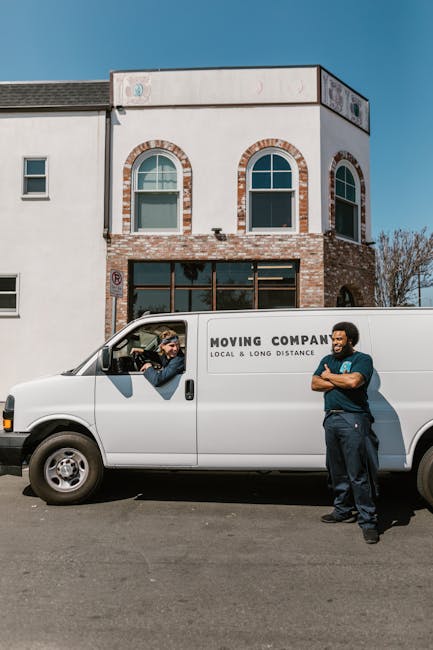
Man with a Van in Barking for local home and business moves

Our man with a van in Barking service is built for straightforward moving support when you need items collected, carried and delivered with care. It suits furniture, boxes, white goods and smaller relocation jobs where a full-scale removals operation is not necessary. The service can be arranged for homes, flats, student moves and light commercial transport, with practical loading and transport arranged around the job rather than a fixed template.
For customers comparing moving options, the key difference is flexibility. A van-based service can be more direct for single-room moves, multi-stop collections and careful transport of awkward items that still need the right handling. Our work centres on getting belongings from one place to another in an organised way, with attention to access, lifting and sensible loading so the journey is as orderly as the collection.
To see how the service is structured, browse the available pages and choose the option that best matches your move. If you already know roughly what needs moving, you can use that to shape your request and request a quotation in a way that is quick and clear.
Household moving support
House moves often need a more measured approach than simply hiring a vehicle. With a man and van style service, the aim is to handle the practical parts of moving household items without unnecessary complication. That can include lifting furniture, carrying packed boxes, moving household appliances and placing items at the destination in the order that suits the customer. It is a useful option when the move is local, the load is manageable and the priority is safe transport rather than a large-scale removal operation.
Home moves can involve everything from a partial flat move to a carefully planned transfer of selected rooms, and the scope can be adjusted to suit access, parking and the amount of furniture involved. Where a property has stairs, tight corridors or limited outside space, good handling and sensible loading matter more than volume alone. Tell us what needs shifting, and make a note of anything particularly heavy, fragile or awkward so the transport plan can reflect the job properly.
Two details always help a quotation feel more precise: a simple list of items and the pick-up and delivery circumstances. If there are dismantled pieces, delicate surfaces or objects that need to be kept upright, say so early. When you are ready, ask for a quote and use the description to show exactly what the move involves.
Furniture and single-item transport

Not every booking is a full move. Some customers simply need one or two items collected from a shop, a seller or another property and delivered safely to a new address. That is where a flexible van service is often the right fit, especially for furniture that is too bulky for a car but does not justify a larger removals arrangement. We can help with sofas, tables, wardrobes, cabinets, mattresses and other pieces that need careful handling on the way in and out.
Furniture pick-up is particularly useful when an item needs to be handled with care at both ends of the journey. The service can suit customers collecting from private sellers, store collections or storage locations where loading space is limited and timing matters. A sensible collection plan usually starts with the dimensions of the item, the access at both properties and whether the furniture will need protection during transit.
It also helps to think about assembly and dismantling before the day of the move. Some pieces travel best in sections, while others should remain intact to reduce the risk of damage. If you want the transport arranged around one large item or a small group of items, the request can stay simple: list the pieces, note the access and get a quotation that reflects the actual task rather than a generic estimate.
Office and commercial moves
Smaller business relocations can benefit from the same practical approach as domestic moves, but the priorities are often different. Computers, desk furniture, documents, retail stock and display items may all need moving with minimal disruption to the working day. A van-based removal service is often suitable when the business has a modest amount of equipment, a single office suite or several items that need transporting between locations in a planned sequence.
Office removals can cover a focused transfer of working equipment and furniture, with loading organised around desks, chairs, storage units and boxed contents. It is often useful for smaller firms, practices and start-ups that want transport support without the scale of a large relocation. Clear labelling, careful packing and a practical route through the premises all help the move run in a tidy order.
For commercial jobs, it is sensible to separate what is travelling immediately from what can wait until later. That gives a better sense of vehicle space and makes it easier to decide whether one visit is enough. If you need help moving business contents in Barking, start your enquiry with a brief summary of the items and the addresses involved.
How the service is organised
The value of a man with a van service lies in its flexibility. Some customers need a single collection and delivery, while others want a move with a few stops, item placement and a return run for leftover pieces. Rather than forcing every job into one pattern, the service can be planned around the items, the route and the practical access at each end. That makes it suitable for short-distance moves, part-load transport and jobs where a careful hand matters more than size.
Man and van support is usually chosen when the customer wants a compact moving solution that still includes loading and unloading help. It can be useful for students, tenants, sellers, buyers and businesses with a manageable set of items. The aim is to provide a sensible balance between transport capacity and labour, so the job feels organised from the first lift to the final placement.
When the booking is planned well, the day tends to move more smoothly. A few basics make a difference: knowing whether parking is easy, whether there are stairs, whether items need to be wrapped and whether the collection includes more than one stop. Those details are enough to shape a practical quote and avoid guesswork, which is why concise information is often the best starting point.
Access, packing and careful handling

Moving work is easier when the items are prepared in a way that matches the journey. Boxes should be sealed securely, loose pieces grouped together and breakable items marked clearly where that is useful. For furniture and appliances, it helps to check doors, lifts, stairs and corner turns before the move begins. Even simple jobs can be slowed by poor access, so a measured plan helps protect both the items and the property.
Packing and unpacking services are useful when a customer wants extra help preparing belongings for transport or settling them at the destination. That can include wrapping fragile items, organising boxes by room and handling unpacking in a way that keeps the move orderly. Not every booking needs full packing support, but it can be a sensible addition when time is limited or items need a little more protection in transit.
If you are arranging a move with several delicate or unusually shaped objects, the most useful information is often plain and specific. Say what the items are, how many there are and whether any need padding, lifting assistance or extra space in the van. With that in hand, it becomes easier to request a quotation that reflects the actual work involved rather than a broad guess.
Pricing factors and quote preparation
Moving quotes usually depend on a small set of practical details rather than on a single headline factor. Distance, the amount of loading time, the number of items, access at each property and any special handling requirements can all affect the level of work involved. A compact local move with straightforward access will differ from a job that includes stairs, dismantling or several collection points. Clear information helps the price reflect the real task.
Pricing and quotes is a useful page when you want to understand how estimates are put together before you confirm a booking. A well-prepared enquiry normally includes the locations, the main items and any constraints such as parking, upper floors or lifting concerns. That does not need to be long, but it should be enough to show what kind of transport and labour the move will require.
The best quotations are usually the ones built from simple facts. If you are unsure whether a job is closer to a home move, a furniture collection or a commercial transfer, describe the load in plain terms and let the scope define the quote. Send the basics and the rest can be discussed in a practical way.
About Barking
Barking is an area in east London with a long history shaped by river access, industry, civic development and changing housing. It lies on the north bank of the River Roding near its meeting with the Thames estuary, and much of its older identity grew around Barking Abbey, one of the important medieval religious houses in England. Although the abbey is largely gone, its heritage remains part of the area’s historical character, and the nearby Abbey Green and parish church help preserve that sense of continuity. The town centre has been altered repeatedly by redevelopment, yet the street pattern and surviving buildings still show layers of different periods rather than a single architectural style.
The area includes a mix of historic and modern surroundings, with civic buildings, residential estates, local shops and transport links shaping everyday life. Barking station, the River Roding corridor and the wider industrial landscape have all influenced how the place developed over time. Eastbury Manor House, now a preserved Tudor mansion, stands as one of the more distinctive historic buildings in the locality, while Barking Park gives the district a substantial green space close to the centre. The park has long been a public amenity and remains a notable open area in a built-up part of London. Together, these landmarks show a district where heritage, transport and open space sit alongside each other in a compact urban setting.
Barking is also linked with wider cultural and civic changes in east London, including post-war reconstruction, new housing and the continuing renewal of former industrial land. The River Roding and nearby Thames-side routes place the district within a broader landscape of waterways and movement, while the local shopping streets and public spaces give it a practical town-centre character. For visitors and residents alike, the area combines the feel of an old market town with the pace of a London suburb, and that mixture is part of its lasting identity.
Removal options for different load sizes
Different moves call for different levels of support. A light load may only need transport and lifting help, while a fuller household move can involve more careful planning, larger items and a more structured approach to loading. The same vehicle-based service can often cover both, provided the job scope is set clearly at the start. That makes it easier to choose a sensible arrangement without paying for more than is necessary.
Removal services covers the broader range of moving support available when a simple collection is not enough. It is a useful option for customers who want the convenience of one organised move with loading and transport included. The benefit is not just the vehicle itself, but the fact that the move can be arranged around the practical details of the job, from item size to access and placement at the destination.
For best results, group the items by type before you ask for help. Keep fragile possessions separate from heavy furniture, note whether anything can be dismantled and be honest about tight stairwells or limited parking. Those steps do not need a long explanation; they simply give enough structure for a clear plan and help avoid last-minute surprises on moving day.
Useful ways to prepare for a booking

A good enquiry does not have to be complicated. If you provide the item list, the addresses and any access details, the move can usually be shaped into something practical very quickly. The point is not to produce a perfect inventory, but to give enough detail for loading time, vehicle space and handling needs to be considered properly. This is especially helpful where furniture, boxed contents and fragile items are being moved together.
Contact us when you are ready to compare the job against the available transport options and ask for a quote. If the move includes a few separate pieces, try to mention whether everything is leaving at once or whether some items will travel later. That small distinction can change the timing and the way the work is organised.
It is also sensible to think about the destination before the day arrives. Where will items be placed, are there any rooms to avoid, and do any pieces need to be kept upright or covered? Simple answers can make the move smoother. If you are unsure, a brief description is enough to begin, and any missing details can be clarified before the booking is confirmed.
Why customers choose a van-based move
A van-based service suits customers who want a practical middle ground between doing everything themselves and booking a large removals team. It can be especially helpful for local moves with one or two main stops, single-item collections and loads that need physical handling as well as transport. Because the approach is flexible, it can adapt to the job rather than asking the job to fit a rigid category.
Man with van removal is a useful route when you are looking for a concise, transport-led moving solution that still includes lifting and placement. The emphasis is on keeping the move manageable and straightforward while giving enough support for furniture and household goods to be moved safely. For many customers, that makes the service a practical choice when the load is important but not excessive.
If you are weighing up options, think about the kind of help you actually need. Some moves are best served by a simple lift-and-carry arrangement; others need a broader approach with packing or multiple collections. Either way, the same core principle applies: clear details make better planning, and a careful quote starts with a clear description of the job.
Request a quotation for your Barking move

Whether you are moving home, collecting furniture or arranging a small office transfer, the first step is to outline the load and the journey in plain terms. A short description of the items, access and destination is usually enough to begin. From there, the move can be matched to the right level of vehicle support and labour, with the aim of keeping the process straightforward and well organised.
Request a quotation if you would like the move reviewed against the actual details of your job. That is the best way to compare options, understand the likely scope and decide how much help you need. If you are still refining the plan, you can keep the note brief and add more detail later. We are ready to help you shape the move sensibly and keep the transport side of it clear.
Take the next step and ask for a quote when you are ready. A simple enquiry is often enough to get the process moving, and it gives you a practical starting point for arranging your man with a van service in Barking.