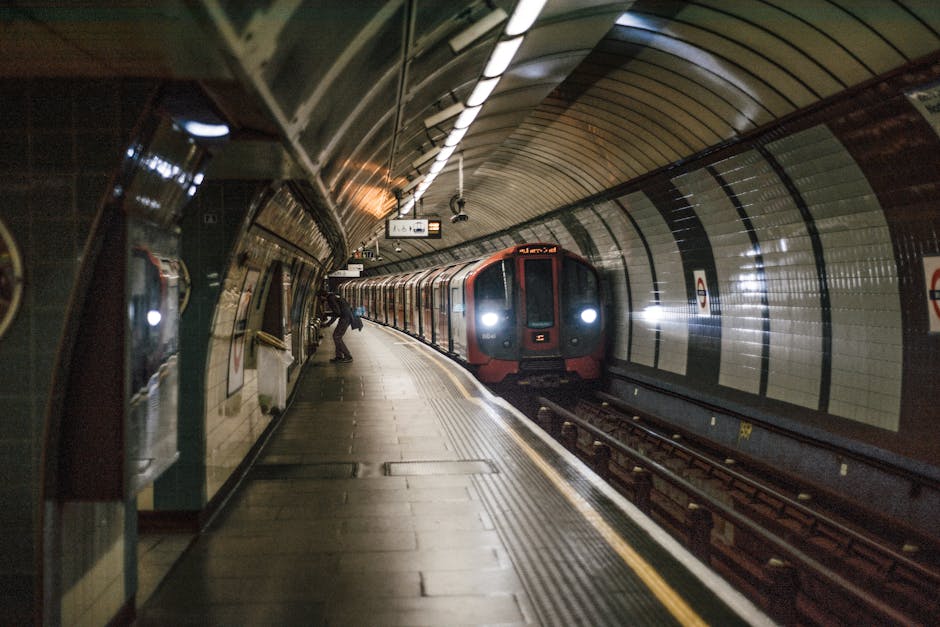
Barking Station removals: loading, lifts & timings
If you are planning a move around Barking Station, the details can get fiddly very quickly. A short walk from the platform is one thing; getting a sofa through a narrow hallway, timing the loading slot, and working around a lift that seems to stop being cooperative at the worst moment is another. That is exactly why Barking Station removals: loading, lifts & timings deserve proper planning before moving day arrives.
This guide breaks down the practical side of station-area removals in plain English. You will learn how access affects loading, how to work with lifts rather than against them, what timing decisions matter most, and how to avoid the little mistakes that cause delays. Truth be told, most moving-day stress near transport hubs comes from small oversights, not the big stuff.
If you are still comparing options, it can also help to look through the wider removal services overview and the local Barking removals pages so you can match the service to your property, access route, and schedule.
Table of Contents
- Why Barking Station removals: loading, lifts & timings Matters
- How Barking Station removals: loading, lifts & timings Works
- Key Benefits and Practical Advantages
- Who This Is For and When It Makes Sense
- Step-by-Step Guidance
- Expert Tips for Better Results
- Common Mistakes to Avoid
- Tools, Resources and Recommendations
- Law, Compliance, Standards, or Best Practice
- Options, Methods, or Comparison Table
- Case Study or Real-World Example
- Practical Checklist
- Conclusion
- Frequently Asked Questions
Why Barking Station removals: loading, lifts & timings Matters
Barking Station is not the kind of place where you can assume everything will be easy just because the postcode is central and the roads look straightforward on a map. The reality is more nuanced. Station-adjacent moves often involve shared access, limited waiting space, busy footpaths, lift use in apartment blocks, and time windows that can disappear fast if one part of the plan slips.
Loading is the first pressure point. A van can only sit in the right place if the access route is clear, legal, and practical. That might sound obvious, but in busy areas near stations, a bay can fill, a gate can be locked, or a delivery vehicle can appear and block the route right as your team is carrying a wardrobe downstairs. One small delay and the whole chain gets slower.
Lifts matter because they change the pace and the risk. A lift can be a blessing for flat removals, but only if it is available, sized properly, and used in a sensible sequence. If the lift is shared with neighbours or subject to building rules, your move has to fit around those rules. There is no shortcut there, to be fair.
Timing matters because removal work is a flow, not just a checklist. If the van arrives before the property is ready, you waste money and energy. If it arrives too late, you can end up moving in the dark, missing building access windows, or juggling tired people with heavy furniture. Around station areas, where streets can be busier than expected, timing is not a tiny detail. It is half the job.
For many local moves, the best approach is to combine realistic planning with the right support. If you are dealing with a smaller move, a local man with a van in Barking can be ideal. For heavier or more complex jobs, a structured house removals Barking service may be the better fit.
How Barking Station removals: loading, lifts & timings Works
The process usually starts before the van even turns up. You need to understand the building, the street, and the flow of the day. Around Barking Station, that means checking where the vehicle can pause, whether there is a loading bay, whether double parking would be a disaster, and whether the property has lift access or stairs-only access. The route from the front door to the van matters just as much as the van itself.
In practical terms, a good move is built in stages:
- Assess access. Look at the entrance, lifts, stairs, parking, and any restrictions around the building or street.
- Plan the sequence. Decide what leaves first, what needs protection, and what should be carried by two people.
- Coordinate timing. Set a realistic arrival window, not just a hopeful one.
- Load in a sensible order. Heavy items first, fragile items secured away from pressure points, and essentials kept accessible.
- Move with control. Use lifts properly, avoid rushing corners, and adjust if the route becomes crowded.
What does that look like on the ground? Picture a first-floor flat near the station, with a narrow communal corridor and a lift that comfortably fits two people and a chest of drawers, but not a sofa. In that case, the sofa likely takes the stairs, while boxes and smaller items use the lift. It is a small tactical choice, yet it saves time and prevents the kind of awkward wrestling match that nobody enjoys at 8:15 in the morning.
If you want help preparing the actual packing side of the move, the guide on avoiding moving-day chaos with proper packing is a useful companion read. And if you are still deciding what to keep, the ultimate pre-move decluttering checklist can make the whole job lighter before the first box is touched.
Key Benefits and Practical Advantages
When loading, lifts, and timings are handled properly, the benefits show up very quickly. You may not notice them in a dramatic way, but you will feel the difference. Less waiting around. Fewer awkward carries. Less chance of damage. A calmer pace. Basically, a move that feels organised instead of frantic.
Here are the biggest practical advantages:
- Less physical strain: Good lift use and sensible loading reduce the need to carry items unnecessarily.
- Lower damage risk: Controlled movement means fewer knocks on walls, bannisters, and furniture edges.
- Better time control: Timed loading prevents the van and crew from sitting idle.
- Improved neighbour relations: Efficient lift use and shorter corridor blockages are simply more considerate.
- Cleaner handover: A planned move helps you leave the old place in better condition and arrive at the new one with less chaos.
There is also a mental benefit people underestimate. When the loading plan is clear, the day feels smaller. Less noisy. Less random. You know where the bed frame is going, which box should stay with you, and when the van needs to leave. That calm matters, especially if you are moving after a long week and everything already feels a bit much.
If the job includes awkward furniture, it can help to look at specialist guidance such as furniture removals in Barking or even niche support like piano removals in Barking for heavier or more delicate items. Some objects need a slightly different rhythm, and that is fine.
Who This Is For and When It Makes Sense
This kind of planning is not only for big house moves. In fact, it is often most useful for the smaller or more awkward ones. If you are moving from a flat close to Barking Station, switching between rented properties, or trying to leave a building with strict access rules, this is for you.
It also makes sense if you are dealing with any of the following:
- a top-floor or lift-access flat
- shared entrances or narrow hallways
- limited on-street stopping space
- business or office items that must leave within a certain window
- student moves where time and budget are both tight
- bulky furniture that will not comfortably fit in a small lift
Students, in particular, often need a very flexible plan. Bags, boxes, bedding, a desk, maybe a gaming chair that has somehow become more precious than your passport. For those situations, student removals in Barking can be a good match because the move can be tailored around the actual load rather than a generic house-move format.
Office moves also need careful timing because staff access, building reception rules, and equipment handling can all affect the schedule. If that sounds familiar, it is worth reviewing office removals in Barking before you choose your moving window.
Step-by-Step Guidance
Here is a straightforward way to approach a move near Barking Station without making it harder than it needs to be.
- Confirm access details early. Ask about lift size, stair width, entrance codes, and any restrictions on using communal areas.
- Check parking and stopping options. A legal loading space is worth planning in advance. The wrong guess can cost time fast.
- Measure larger items. Sofas, mattresses, wardrobes, and fridge freezers are the usual troublemakers. Measure the item and the route.
- Pack by priority, not by room alone. Essentials should be easy to reach, especially if the move stretches into the afternoon.
- Protect floors and corners. Communal halls can be unforgiving. Covers, blankets, and careful handling make a real difference.
- Assign the lift strategy. Decide what can go in the lift, what must use stairs, and who is managing the flow.
- Set a realistic departure time. Build in a buffer. A move that starts at the exact minute on paper often feels too tight in practice.
- Keep one person in charge of timing. Not everything needs a committee. One practical decision-maker helps a lot.
A small but useful tactic: separate items into "first out," "fragile," and "last out" groups. It sounds almost too simple, but it reduces cross-traffic in the hallway. You know what goes next. The crew knows what to reach for. No one is standing around wondering whether the kettle is already in the van or still behind the coat rack. Which, let's face it, happens more often than people admit.
If your move includes a mattress or bed frame, it is worth reading the guide on protecting your bed and mattress during a move. Bedding items are bulky, awkward, and easy to scuff if you rush them.
Expert Tips for Better Results
Small decisions make a big difference in station-area removals. Here are the habits that tend to pay off.
1. Move the biggest items before the corridor gets busy.
Early access is often best for wardrobes, sofas, and bed frames. Once neighbours start leaving for work or deliveries begin, everything slows down. If you can secure a clean window, use it.
2. Keep the lift clear for the essentials.
If the lift is small, do not waste its first trips on loose bags or lightweight items that could just as easily go by hand. Reserve lift space for the items that truly need it.
3. Protect the route, not just the furniture.
People often wrap the table but forget the doorway. Corners, walls, and shared stairs need protection too, especially in older buildings where a fresh scrape stands out like a sore thumb.
4. Think about the weather.
Rain changes everything. Wet boxes are slippery, and damp handles are no one's friend. A dry towel, a couple of covers, and a covered loading path can save a lot of irritation.
5. Use lifting technique wisely.
Safe lifting is not just about strength. It is about balance, grip, and not twisting under load. If you want a practical explainer, the article on kinetic lifting is a solid reference point.
6. Keep a simple backup plan.
If the lift fails or the loading bay becomes unavailable, know what the alternative is. A second route, a later time slot, or a smaller vehicle can save the day.
7. Use specialist help when the item demands it.
A piano, for example, is not a "let's just carry it quickly" object. The same goes for some oversized appliances and antique furniture. Special handling is not overkill; it is common sense.
Common Mistakes to Avoid
Most moving problems near Barking Station are avoidable, which is slightly annoying in a way because they are also so common. Here are the ones that crop up again and again.
- Assuming lift access is automatic. Sometimes it needs booking, a fob, or permission from building management.
- Not checking stair turns and door widths. A sofa that looks manageable in the lounge can suddenly become impossible in the stairwell.
- Leaving parking until the last minute. This creates stress before the first box is even loaded.
- Packing too late. Last-minute packing is where breakages happen and labels disappear.
- Loading the van in random order. You end up burying the items you need first and creating extra handling later.
- Forgetting building rules. Some blocks have quiet hours, lift reservations, or protective covering expectations.
- Trying to do everything yourself. It is admirable, yes, but not always sensible. Heavy lifting without enough help is where people get hurt.
There is a very human pattern here: people usually overestimate what they can carry in one go and underestimate how many small trips a move takes. That is why the advice on simplifying heavy lifting without a partner can be surprisingly useful, even for people who think they are prepared.
And if your move is happening on a tight clock, perhaps after a handover or tenancy deadline, you may also want to look at same-day removals in Barking. Speed helps, but only when it is controlled.
Tools, Resources and Recommendations
You do not need a warehouse full of kit for a good move. Still, the right tools make a huge difference, especially when working around station access and lifts.
| Tool or Resource | Why It Helps | Best Use Case |
|---|---|---|
| Furniture blankets | Protect edges, doors, and finishes during loading | Sofas, tables, wardrobes |
| Straps and ties | Keep items stable in the van and reduce shifting | Mixed loads, stacked boxes, long items |
| Trolley or sack truck | Reduces carrying strain and speeds up repeated trips | Boxes, small appliances, office items |
| Mattress covers | Keeps bedding clean and dry in transit | Beds and soft furnishings |
| Labels and coloured tape | Speeds sorting and helps the unload run in the right order | Any move with more than a few boxes |
For pre-move preparation, the packing-focused guide proper packing to avoid moving-day chaos pairs well with the practical packing and boxes in Barking service page. If you are putting some things into storage first, the local storage in Barking option may also be worth considering.
One more quiet recommendation: if a property has lots of stairs or awkward corners, ask in advance whether the removals team is used to tighter access jobs. Experience with local buildings can save a lot of "we thought it would fit" moments. Those moments are never pleasant.
Law, Compliance, Standards, or Best Practice
For most household moves, the key point is not complex law but sensible compliance and good practice. That said, there are still a few things worth keeping in mind around Barking Station and similar areas.
Parking and loading: only use stopping places that are legal and appropriate for loading. If you are unsure, check the local rules in advance rather than assuming a quick stop will be fine. Councils and building managers can be strict when access is busy.
Building access: flats and mixed-use blocks often have their own procedures. These may include booking lifts, protecting communal areas, or keeping corridors clear. It is best to follow the property's requirements, even if they feel a bit fussy at first.
Health and safety: safe lifting, clear walkways, and suitable equipment are not optional extras. They are basic good practice. If a load is awkward, heavy, or unstable, split it, protect it, or get help. The health and safety policy and insurance and safety pages are useful for understanding the standards behind careful moving work.
Access for everyone: if the move involves shared spaces, keep routes usable and avoid blocking lifts or entrances for longer than necessary. That matters for neighbours, visitors, and anyone with mobility needs. It is just decent practice, really.
Finally, if you are choosing a provider, it helps to read a little about the company and how it works. The about us page gives useful context, while the terms and conditions, privacy policy, and payment and security pages help you understand the practical and administrative side too. Boring? Maybe. Important? Absolutely.
Options, Methods, or Comparison Table
Different moves need different approaches. The right method depends on the property, the load, and how much time you have to work with.
| Approach | Best For | Pros | Watch Outs |
|---|---|---|---|
| Lift-first loading | Flat moves with suitable lift access | Less stair carrying, faster for smaller items | Can slow down if the lift is small or shared |
| Stair-first loading | Buildings with limited or unreliable lifts | More predictable if the lift is not practical | Higher physical effort and more corner protection needed |
| Timed loading window | Busy streets or restricted parking areas | Reduces waiting and improves vehicle planning | Needs careful coordination and a realistic schedule |
| Small-van shuttle approach | Tight access or limited stopping space | More flexible around narrow streets and short bays | May take longer if multiple trips are needed |
If you are in a compact apartment near the station, a lift-first plan with careful timing is often the smoothest route. If the building is awkward or the lift is too small for larger furniture, stair-first with proper protection can actually be more efficient. The right answer is the one that fits your building, not the one that sounds neat on paper.
For people moving into or out of flats specifically, the local flat removals Barking page is a useful next step. And for more general local help, man and van Barking can suit smaller, more flexible jobs.
Case Study or Real-World Example
Here is a realistic example based on the kind of move people often face near Barking Station.
A couple moving from a second-floor flat had a lift, but it was compact and shared with other residents. They had a sofa, a bed, several boxes of kitchen items, a small dining table, and a couple of awkward lamps. At first, they thought the move would be simple because everything was "only" one floor up or down depending on the direction. The issue was not the number of items. It was the timing and the route.
They started by checking whether the lift could be reserved and confirmed the loading spot outside the building. They then packed the boxes by priority, keeping essentials together so they were not buried under cushions and cables. The sofa and dining table were scheduled for the first loading run while the lift remained clear for boxes and lighter items. A blanket was used on the floor near the entrance because the weather had turned damp and a bit grey, as it often does in London when you least need it.
The result? The move still took effort, of course. Moving always does. But there was no scramble for lift access, no awkward waiting in the hallway, and no panic about where the kettle had gone. They finished on time, the flat was handed over cleanly, and the new place was set up in the same afternoon. Not magical. Just organised.
For another practical angle, especially if you are leaving a place in good condition, the guide on effective house cleaning for a smooth transition is worth reading. Little details matter more than people think.
Practical Checklist
Use this checklist the day before and the morning of the move. It is simple, but that is the point.
- Confirm the van arrival time and contact details.
- Check lift access, booking rules, or fob requirements.
- Verify where loading is allowed and where it is not.
- Measure the largest items and the tightest route points.
- Pack essentials separately: chargers, documents, medication, keys, kettle.
- Label boxes clearly by room and priority.
- Protect mattresses, furniture corners, and fragile surfaces.
- Keep walkways clear inside the property.
- Set aside any items going to storage.
- Tell neighbours or building management if your move may affect access.
- Have a backup plan if the lift is out of service.
- Keep water, snacks, and a bit of patience handy. Seriously, it helps.
If you are still at the stage of deciding what to take and what to leave, the decluttering guide linked earlier is a strong place to begin. A lighter load usually means a calmer move. Simple as that.
Conclusion
Barking Station removals are easiest when you treat loading, lifts, and timings as part of one plan, not three separate problems. Once you map the route, understand the lift situation, and build a realistic schedule, the whole day becomes more manageable. You do not need a perfect move. You just need a well-ordered one.
That means measuring key items, protecting the shared spaces, coordinating the vehicle arrival properly, and choosing the right kind of moving support for the job. For some people, that is a simple van and a careful couple of hours. For others, it is a more structured service with specialist handling. Either way, the same principle applies: plan the access, respect the timings, and let the move breathe a little.
Get a free quote today and see how much you can save.
And if you are still gathering details, feel free to explore the local pages, trust information, and support links throughout this guide. A thoughtful move near Barking Station is absolutely doable, and with the right preparation, it can even feel pleasantly ordinary. Which, on moving day, is a small victory worth having.
Frequently Asked Questions
What does "loading, lifts & timings" mean in a Barking Station move?
It refers to the practical planning around where the van can stop, how items will be moved through lifts or stairs, and what time window is best for the load-out. Near a station, those three things often decide whether the day feels smooth or chaotic.
Do I need to book the lift before moving day?
Sometimes, yes. Many apartment buildings require lift bookings, fobs, or advance notice to building management. It is best to confirm early rather than assume the lift will simply be available when you need it.
How early should I arrange parking or loading access near Barking Station?
As early as possible. The closer you get to moving day, the harder it can be to secure a convenient stopping point. Even a small delay on the street can disrupt the whole move.
What if the lift is too small for my sofa or wardrobe?
Then the item may need to go by stairs, be partially dismantled, or be moved with specialist handling. Measuring the item and the route beforehand is the simplest way to avoid surprises.
Is a man and van service enough for a station-area flat move?
Often, yes, especially for smaller flats, student moves, or light household loads. If you have heavy furniture, awkward access, or a longer list of items, a more structured removals service may be better.
How do I reduce delays on moving day?
Pack in advance, label boxes clearly, confirm access details, and keep the loading route clear. A few small checks can save a lot of waiting.
What are the most common problems with Barking Station removals?
The usual problems are parking issues, small lifts, shared access, narrow corridors, and timing clashes with other building users. These are all manageable if you plan ahead.
Can I use the lift for all my items?
Not always. Some lifts are too small, some buildings restrict heavy loads, and some items are simply safer on stairs with proper handling. The best approach depends on the building and the furniture.
Should I move large items before small boxes?
Usually yes, because larger items are the hardest to manoeuvre and benefit from the clearest route. Small boxes can often be loaded later once the main furniture is out of the way.
What if I am moving on a tight deadline?
If the move has to happen fast, focus on access, priority items, and a realistic schedule. Same-day or short-notice support may help, but only if the basics are still organised.
How can I make a flat move less stressful?
Declutter first, pack properly, confirm lift and parking details, and keep essentials separate. A flat move becomes much easier when the route and the load are both under control.
Are there safety rules I should care about during the move?
Yes. Safe lifting, clear walkways, sensible use of equipment, and respect for building rules all matter. If you are unsure about a load or route, it is better to pause and plan than to force it.
Where can I get help with Barking removals?
You can start with the local service pages such as removal services in Barking or removal companies in Barking, then use the contact page if you want to discuss access, timing, or a quote in more detail.
What should I do if I am not sure which service is right for me?
Look at the size of the property, the amount of furniture, the lift situation, and how much flexibility you need. If you still feel unsure, the simplest next step is to speak to a local mover who can help you match the service to the actual move rather than guess.