




Barking Abbey area removals: best routes & parking
Posted on 13/05/2026
Barking Abbey area removals: best routes & parking
Moving around Barking Abbey can feel deceptively simple until the van arrives, the street narrows, and suddenly you are staring at a corner with nowhere sensible to stop. That is exactly why Barking Abbey area removals: best routes & parking deserves a bit of local thought before moving day. The right route saves time, the right parking plan saves stress, and both can save money too. Truth be told, a calm move in this part of Barking is rarely about speed alone; it is about timing, access, and not making life harder than it needs to be.
In this guide, you will find practical route planning advice, parking considerations, common access issues, and real-world steps to make your move feel far more manageable. Whether you are moving from a flat, handling a family house move, or booking a small van for a quick same-day job, a little local know-how goes a long way.
If you are also planning the packing side, it may help to browse our guide to packing without moving-day chaos and the premove decluttering checklist. Those two alone can take a surprising amount of pressure off the day itself.
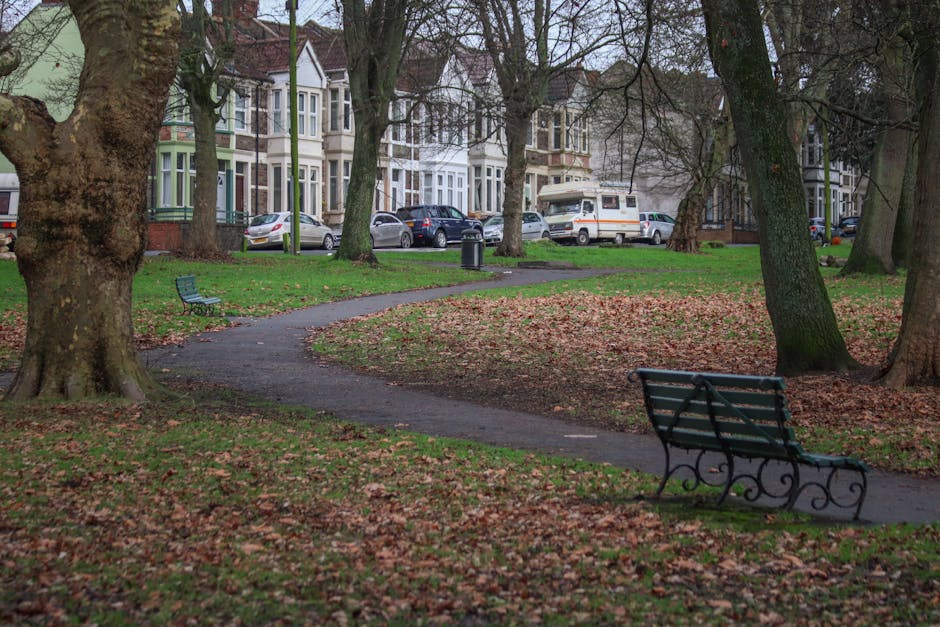
Why Barking Abbey area removals: best routes & parking Matters
The Barking Abbey area sits in a part of East London where local roads, busier junctions, school traffic, and parking controls can all influence how smoothly a move runs. Even a well-planned house move can go sideways if the vehicle arrives at the wrong time or the driver has to circle the block looking for a safe loading spot. And yes, that bit of circling can feel longer than the whole packing process.
For removals, route planning is not just about Google Maps choosing the shortest line. It is about choosing the least disruptive route. That may mean avoiding peak commute traffic, planning around roadworks, and steering clear of pinch points where a removal van may struggle to turn or stop safely. Parking matters for the same reason. If a van cannot park close enough to the property, every box, wardrobe, and sofa suddenly takes more time, more lifting, and more risk.
Local familiarity makes a real difference here. A mover who knows the area can judge whether a van should approach early, whether a residential street is better accessed from one side rather than another, and how much walking distance to expect from vehicle to door. That practical judgement is often the difference between a tidy move and a day that drifts off schedule.
For anyone comparing service levels, it may also help to look at our Barking removals service overview and man with a van in Barking options. Those pages are useful if you are deciding how much support you actually need.
How Barking Abbey area removals: best routes & parking Works
At a practical level, the process is simple enough. First, identify where the property sits in relation to the wider Barking road network. Then work out the best approach for the size of vehicle you are using. After that, confirm where loading can happen without blocking traffic, causing access issues, or creating a parking ticket headache. Simple in theory. Slightly fiddly in real life. That is moving for you.
In most cases, a good removals plan will consider four things:
- Vehicle size - a small van, Luton-style removal van, or larger truck each needs different turning and stopping space.
- Arrival timing - early morning may be calmer for access, while school-run or commuter times can be much busier.
- Loading distance - how far items must be carried from the property to the vehicle.
- Parking permissions or restrictions - resident bays, controlled parking zones, yellow lines, suspended bays, or access-only areas.
Because Barking Abbey includes a mix of homes, flats, and busier through-routes, the best plan often depends on the exact street rather than the area name alone. A flat above a shop, for example, usually needs a tighter parking strategy than a house on a quieter residential road. If stairs are involved, you will feel the difference quickly. Knees, backs, and patience all tend to complain at about the same time.
Where access is awkward, a service like flat removals in Barking can be especially helpful, because flats often need a smarter loading plan than house moves. If your move involves bulkier pieces, you may also want to look at furniture removals support for sofas, wardrobes, and awkward items that do not appreciate sharp corners.
Key Benefits and Practical Advantages
Getting the routes and parking right is not glamorous, but it pays off in very ordinary, very useful ways. And that is usually what people want on moving day: fewer surprises, fewer delays, fewer moments of standing in the road with a mug of tea wondering where the van has gone.
- Less wasted time - a direct, sensible route avoids unnecessary circling and congestion.
- Lower physical strain - closer parking means fewer long carries for heavy boxes and furniture.
- Reduced risk of damage - shorter distances and better loading access help protect items.
- Better scheduling - accurate arrival times make handovers and key collection easier.
- Fewer parking problems - less chance of penalties, disputes, or access issues.
There is also a calmer emotional benefit, which people sometimes overlook. When the van is parked properly and the route is sorted, the move feels more under control. You can focus on the actual transition rather than reacting to every little thing. That matters more than people admit.
If you are moving on a tight timetable, a same-day option can help, but only if parking and access are still thought through. Have a look at same-day removals in Barking if your timeline is especially compressed.
Who This Is For and When It Makes Sense
This kind of local planning is useful for a lot of people, not just those making a large family move. If your property is close to a busier road, near a controlled parking area, or tucked into a residential street with limited space, a route and parking plan is worth having. It is also especially sensible if you have bulky items, a narrow staircase, or a move that must happen within a limited time window.
You may benefit most if you are:
- moving from or into a flat in Barking Abbey
- managing a student move with a smaller load
- relocating a small office or home office setup
- moving furniture that is heavy, valuable, or awkward
- trying to keep disruption to neighbours or building access to a minimum
For students especially, the main challenge is usually not the number of items, but timing and access. The same applies to anyone moving into shared accommodation where the lift is small and the hallway has more corners than you expected. If that sounds familiar, the dedicated student removals service is worth a look.
Small office moves are another common fit. A desk, a chair, a printer, and a stack of files can still become a logistical puzzle if parking is poor or the route is poorly timed. For that sort of move, office removals in Barking can help keep things tidy and predictable.
Step-by-Step Guidance
If you want a move to feel easier, treat route and parking planning as part of the removal itself rather than a side issue. Here is a practical approach that works well in real life.
- Confirm the exact address and access points. Check whether the entrance is on a main road, side street, courtyard, or rear access lane. A small detail here can change the whole plan.
- Look at the property from a vehicle's point of view. Ask: where would a van actually stop, unload, and turn? Not where you hope it might stop. Where it truly can.
- Check parking restrictions in advance. Resident bays, time-limited spaces, and double yellow lines all matter. If something is unclear, plan conservatively rather than assuming.
- Choose the vehicle size carefully. A smaller van may be easier for tight streets, but a larger vehicle may reduce trips. The right answer depends on the street and the load.
- Time the arrival sensibly. Avoid obvious congestion if you can. A slightly earlier or later slot can save a lot of frustration.
- Pack the loading order with access in mind. Items needed first should go near the door or be loaded last, depending on which property you are starting from.
- Keep a backup plan. If the nearest parking space is taken, know where the next workable option is. That little fallback can save the day.
A good tip, if you are doing this yourself, is to do a slow walk of the route and the frontage the day before. You spot more on foot than from a hurried car ride. Broken pavement, awkward bends, or a tight corner can seem minor until there is a mattress on a trolley and everyone is trying not to laugh.
For the packing stage that goes with this, a practical read is our packing guide for calmer moves. And if you have fragile or awkward items, the page on piano removals in Barking is a useful example of how specialist handling changes the whole approach.
Expert Tips for Better Results
There are the obvious tips, and then there are the little ones that tend to make a move feel genuinely smoother. In our experience, the small details often do the heavy lifting.
- Measure the tight bits. Doorways, stair turns, hallway widths, and kerb height all matter more than people expect.
- Use the quietest loading point available. Even a slight shift in parking position can make lifting safer and less tiring.
- Protect the items that cause delays. Beds, mattresses, mirrors, and large furniture are usually the ones that slow everything down if not prepared properly. See how to protect a bed and mattress during a move.
- Keep tools close. Tape, labels, a screwdriver, and a trolley can save multiple trips back and forth. It sounds dull. It is not dull on moving day.
- Use safe lifting technique. This is where our lifting advice becomes very relevant, especially if you are moving heavy items without much help.
One more thing: if parking is not ideal, do not try to make it heroic. There is no prize for carrying a wardrobe half a street because you refused to adjust the plan. Sometimes the smartest move is simply to stop, reassess, and park better. Common sense wins. Boring, but true.
If you are moving a freezer, washing machine, or other appliance, plan it separately from lighter boxes. A freezer left disconnected too long, for instance, may need specific preparation. For that sort of detail, this storage guide for idle freezers is useful context.

Common Mistakes to Avoid
Most moving problems in areas like Barking Abbey are not dramatic disasters. They are smaller, avoidable errors that build up. The good news? They are all fixable with a bit of forethought.
- Assuming parking will be easy. It often is not. Always check the street rather than guessing.
- Booking a vehicle that is too large. Bigger is not always better if the road is awkward or narrow.
- Ignoring building access rules. Flats, estates, and managed properties can have their own loading expectations.
- Loading in the wrong order. If the first items in are the last items you need, unpacking becomes unnecessarily painful.
- Leaving decluttering too late. Carrying things you do not want only adds weight and clutter. It is the moving equivalent of bringing an umbrella you never open.
- Forgetting to communicate with neighbours or building managers. Even a brief heads-up can prevent confusion and complaints.
There is also the hidden mistake of not planning for the end of the move. If you are leaving a property tidy, the final clean matters. A moving-out clean may not sound thrilling, but it can stop the day from dragging on unnecessarily. You may find our house-cleaning tips for moving out useful.
Tools, Resources and Recommendations
Good moving preparation does not require loads of specialist kit, but a few well-chosen tools make a noticeable difference. Think practical, not fancy.
| Tool or Resource | Why It Helps | Best Used For |
|---|---|---|
| Measuring tape | Checks doorways, furniture clearances, and tight corners | Large furniture and staircase planning |
| Furniture blankets and straps | Protects items in transit and keeps them secure | Sofas, wardrobes, cabinets |
| Labels and markers | Makes unloading and room placement faster | Boxes, bags, and mixed household items |
| Hand trolley or sack truck | Reduces strain on heavier items | Boxes, appliances, compact furniture |
| Parking plan and contact numbers | Helps manage changes if the first loading spot is unavailable | All local moves with limited parking |
If you need packing supplies, consider packing and boxes support in Barking. If storage is part of the move, especially during a gap between properties, storage in Barking can help keep the transition clean and less rushed.
For a fuller view of what a removal service can include, the services overview is a handy starting point. And if you want to understand the company side a little better, the about us page gives useful background.
Law, Compliance, Standards, or Best Practice
Local removals are not usually complicated from a legal point of view, but a few standards and common-sense duties matter. Parking restrictions must be respected, vehicle loading should be done safely, and anyone handling heavy items should avoid unsafe lifting practices. That is not just good practice; it is basic responsibility.
For example, parking on restricted lines or blocking access can create problems for residents, businesses, and other road users. If a loading bay or resident permit space is required, it is wise to confirm what is allowed rather than assume. Likewise, if you are moving in a managed block, the building may have its own rules for lift protection, loading hours, or temporary access arrangements.
From a safety perspective, good removals practice usually includes:
- careful manual handling
- secure loading of items inside the vehicle
- protective wrapping for fragile or valuable pieces
- clear communication about access risks
- respect for neighbours, shared spaces, and traffic flow
If you are comparing providers, it is sensible to review their insurance and safety information as well as their health and safety policy. Those pages help you judge how seriously a company treats risk and planning. You may also want to check terms and conditions so you know what is included before moving day.
Options, Methods, or Comparison Table
Different move types need different parking and route approaches. A straightforward comparison helps make that clearer.
| Method | Best For | Strengths | Limitations |
|---|---|---|---|
| Small man and van | Single rooms, student moves, lighter loads | Easier to park, flexible on tighter streets | May need more trips for larger loads |
| Larger removal van | House moves, bulky furniture, mixed loads | Fewer trips, better for larger jobs | Needs more space and better route planning |
| Partial self-move with support | Budget-conscious moves or small flat removals | Lower cost, good for simple jobs | More work for you, especially with parking and lifting |
| Full removal service | Busy households, time-sensitive relocations | More hands, better coordination, less stress | Usually the most involved option |
To be fair, the best option is not always the biggest one. A smaller vehicle parked well can outperform a larger vehicle that cannot get close enough. That is especially true in busy local streets where turning space is limited.
If you are comparing service types more broadly, take a look at man and van services in Barking, removal van options, and removal services in Barking. They each suit a different kind of move.
Case Study or Real-World Example
Imagine a couple moving from a top-floor flat near Barking Abbey into a two-bedroom home a short drive away. The first instinct might be to book the largest van available and assume it will make life easier. But the entrance road is narrow, the nearest parking is limited, and the lift in the building is small. A bigger van would have meant a longer walk from the vehicle and more time spent blocking the flow of the road. Not ideal.
Instead, the move is planned with a compact removal vehicle, an early morning start, and a loading spot chosen to reduce carrying distance. Fragile items are packed separately, the bed is protected in advance, and the heaviest pieces are loaded first. The result? Fewer trips, less backtracking, and a much calmer handover. Not perfect. But smooth enough that nobody is sweating by 9:15.
That sort of outcome is quite common when the route and parking plan fits the street rather than fighting it. It is not about being clever for the sake of it. It is about making the move match the place.
If you ever want a more tailored conversation about your move, you can always use the contact page to ask a few questions before you commit to a date.
Practical Checklist
Use this checklist a day or two before the move. It is simple, but that is the point.
- Confirm the property address and access details
- Check parking restrictions near both addresses
- Decide which vehicle size is most suitable
- Note any stairways, tight corners, or lift restrictions
- Measure large furniture and the key doorways
- Pack boxes clearly and label them by room
- Separate fragile items and valuables
- Prepare a clear loading order for the van
- Keep keys, paperwork, and essentials in one easy-to-reach bag
- Arrange support for heavy lifting if needed
- Notify neighbours or building management if access could be affected
- Have a backup parking option in mind
If your move includes large or awkward items, it is also worth reading how to simplify heavy lifting without a partner. It may save your shoulders, honestly.
Conclusion
Getting Barking Abbey area removals right is less about luck and more about local awareness. The best routes are the ones that reduce delay and avoid pressure points; the best parking is the kind that keeps unloading safe, close, and sensible. Once those two pieces are in place, the rest of the move becomes much easier to handle.
Whether you are moving a flat, a family home, or a few essential items, the same principle holds: plan the access, respect the parking, and keep the day as straightforward as possible. That is what turns a stressful move into a manageable one. And sometimes, that is enough.
If you are ready to make your move simpler, it helps to speak to a local team that understands the area, the traffic patterns, and the practical realities of loading in Barking. A few minutes of planning now can save a lot of faffing later.
Get a free quote today and see how much you can save.